
Technical project management is the process of managing IT or IT-related projects. Technical project managers are critical to the conception, development, and execution of these projects. Much of what busy IT departments do, consists of maintaining and supporting current systems, such as, servers, user devices, network infrastructure, websites, Financial Management systems, ERP systems and email to name a very few. Of course technology and information systems are rarely static and constantly changing. When new technology systems are introduced into an organization, or major changes become necessary these become a projects.
A project has distinctive attributes that distinguish it from ongoing work or business operations. Firstly, projects are always temporary in nature. They are not an everyday business process and have definitive start dates and end dates. This characteristic is important as a large part of the project effort is dedicated to ensuring that the project is completed at the expected time and on budget. Examples of typical IT projects include: moving an onprem hosted service to a cloud-based service, refreshing the data centre with new servers, replacing user devices to newer technology and so forth.
Unfortunately many IT departments often do not have the training or skill to implement projects in a planned and logical way. Or are so occupied with maintaining existing systems that proper planning becomes rushed and many projects are implemented in a haphazard or ad hoc way. As a result projects can be subject to much higher failure rates or cost and time overruns.
At Spindrift Consulting we have been implementing and managing IT projects for over 20 years and have the training and experience to assist your IT staff through the entire process. We meet with your staff and identify the project requirements, then begin project planning, coordinate project work, adjust based on circumstances and transition to a successful project completion. We strive to take the challenging work out of creating the project plan so that your team can get on with the project.
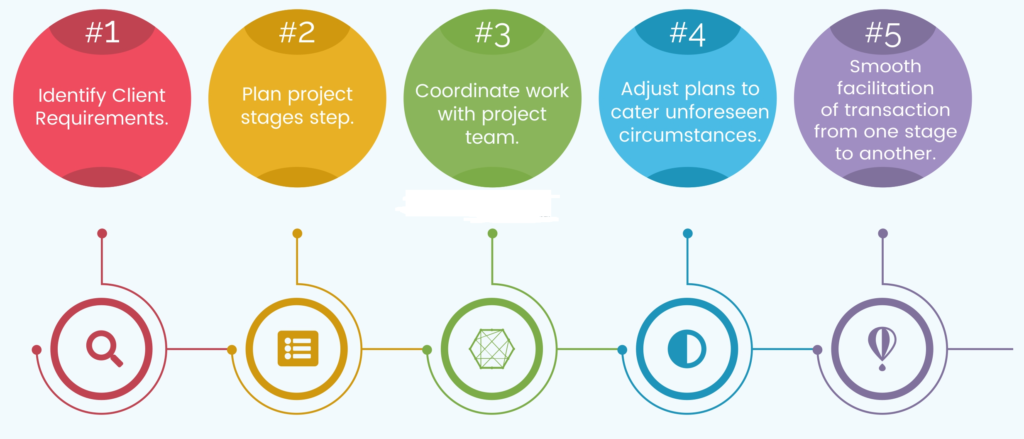
We ensure that everyone understands the phased approach to project management including: initiating, planning and design, executing, monitoring and controlling and completion or closing. This approach brings discipline to the project which ensures a much greater chance of success. Bringing rigour to the project is important because the busy operational work of IT departments does not stop while projects are being planned and implemented.